

NATURAL SUPPLEMENT
New mothers often worry whether they are producing sufficient breast milk or not. There is no way to measure unless you begin to pump and measure your supply. Even then, does your milk supply contain everything that your baby needs? There really is no way to know.
SHOP NOW


Quality
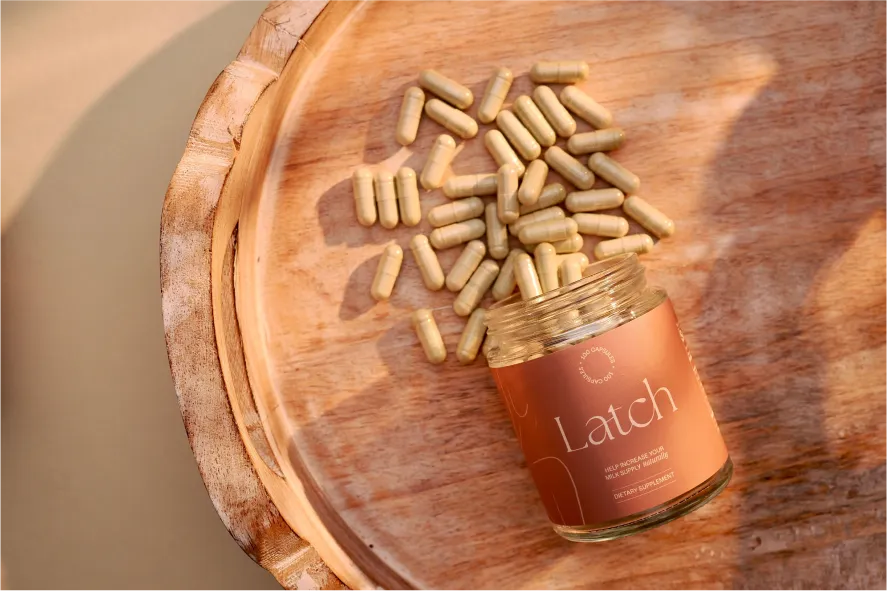
All of our ingredients are Non-GMO, allergen free and certified organic. The final product was then tested again after production, by a 3rd party lab testing facility to ensure against heavy metals and bacteria. These all natural herbs have been capsulized in Halal and Kosher Certified hard shell vegetable capsules. Please see all test results on the Test Results tab.

Safety
We have come up with an ALL-NATURAL herbal supplement to increase milk production using NON-GMO ingredients that have been certified organic.There are no pharmaceutical products in our blend of herbs.We want to use nature to help increase milk production for postpartum mothers who want to feed their children their own naturally produced milk.

Science
We have researched and found ingredients that have been used as a galactagogue (something that increases milk supply) for thousands of years from all ends of the globe. These highly nutritious ingredients help breast feeding mothers to replenish essential nutrients in their bodies, thus contributing to an overall successful production of healthy and naturally produced milk.
OUR STORY
Why Choose Latch?
As we grow and evolve, we realize that manmade ingredients and pharmaceutical products are not always in our best interest. Most pharmaceutical products have side effects, or even worse, unforeseen effects on our bodies and may be passed onto our children through breast milk. Big pharma is only after financial gain and not necessarily working for the betterment of mankind.
READ OUR STORY

ABOUT US
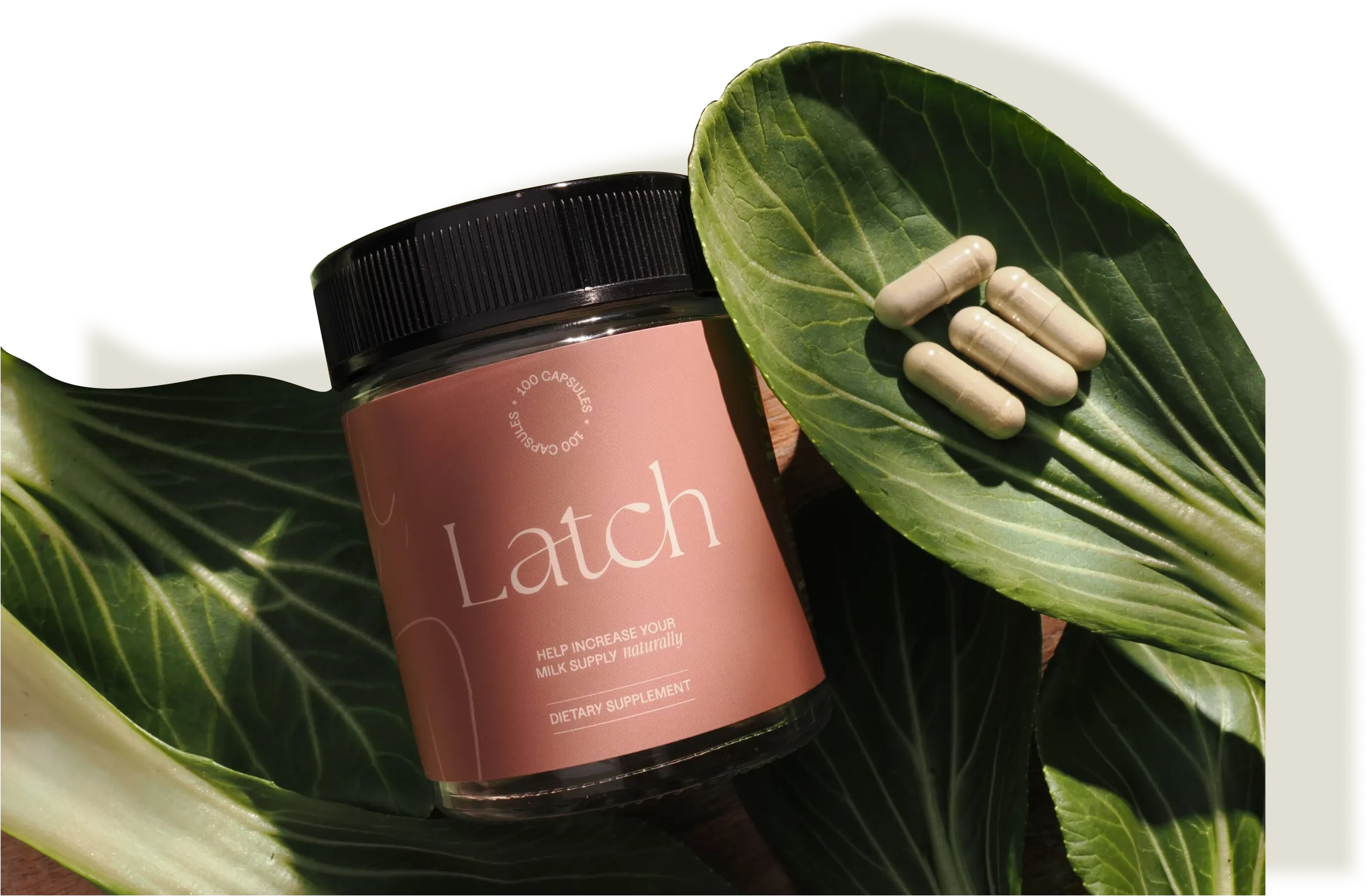
Latch Help Increase Your Milk Supply Naturally
We have found essential ingredients that have been used as a galactagogue (something that increases milk supply) from across the planet. These essential herbs have been used by diverse cultures and ethnicities for thousands of years.
LEARN MORE
TESTIMONIALS
What People Say About Us
Our Blog


Frequently Asked Questions
Which supplement is best for increased breast milk?
There are several supplements that have been shown to help increase breast milk production; these supplements contain: fenugreek, blessed thistle, milk thistle, and fennel. However, it is important to talk to your healthcare provider before taking any supplements, as they may not be safe for everyone.
Our supplement contains all four ingredients in addition to some others essential for healthy milk production.
Do lactation supplements really work?
We come to know about the effects of nutrition when it comes to lactation. It is essential to have the nutrients necessary to produce healthy milk. During breastfeeding, your requirement for certain vitamins and minerals will increase. Taking supplements can help with the deficiencies, especially if you’re consuming fresh balanced meals and nursing and/ or pumping more often.
How can I increase my milk supply super fast?
Tips to Boost Your Milk Supply
- Nurse on demand.
- Power pump.
- Take herbal supplements.
- Try a lactation supplement drink.
- Breast massage.
- Eat and drink more.
- Get more rest.
- Offer both sides when nursing.
How can I increase my breast milk supply naturally?
There are effective ways to boost breast milk production naturally
- Frequent and effective breastfeeding.
- Proper latch and positioning.
- Breast compression.
- Pumping.
- Stay hydrated and eat well.
- Relaxation and stress management.
- All natural herbal supplements to get essential nutrients that may be deficient.
Am I producing sufficient breast milk?
New mothers often worry whether they are producing sufficient breast milk or not. There is no way to measure unless you begin to pump and measure your supply. Even then, does your milk supply contain everything that your baby needs? There really is no way to know.
If your baby is healthy and growing well, you are mostly doing just fine. But if that’s not the case, you need to examine your diet and health conditions. Sometimes, insufficient breast stimulation or hormonal imbalances can lead to low breast milk supply.
Breast milk production or lactation is a biological process that begins during pregnancy, with the development of mammary glands and ducts. After delivering a child, hormonal changes, primarily driven by prolactin and oxytocin, trigger the initiation of milk production.
Some herbs can help with the production of prolactin and oxytocin to initiate milk production. One example of such an herb is Blessed Thistle. It is believed to increase the hormones prolactin (which boosts the milk supply) and oxytocin (which enables to release of milk from the nipples). Another example would be Dill. Our pituitary gland releases a hormone prolactin which is the primary factor responsible for breast milk supply. Zinc plays a vital role in releasing this hormone. Lack of zinc can reduce the release of prolactin hampering the production of breast milk. Dill being enriched in zinc works wonders on mammary glands and helps in releasing prolactin, hence producing more milk.
What foods promote milk production?
Focus on making healthy choices to help fuel your milk production. Choose protein-rich foods, such as lean meat, eggs, dairy, beans, lentils and seafood low in mercury. Choose a variety of whole grains as well as fruits and vegetables.
What foods decrease milk supply?
Peppermint, Parsley, and Sage
For instance, eating a lot of parsley could curb lactation. And too much sage and peppermint may cut your milk supply. For some nursing moms, even peppermint-flavored toothpaste and candies are a problem.
Which fruits increase breast milk?
Apricots and dates
Eating apricots and dates can increase prolactin, which is the hormone that tells your body to produce milk. Apricots contain essential nutrients such as dietary fiber, vitamin A, vitamin C and potassium. Fresh is always better than canned.
Can low milk supply be reversed?
It can almost always be reversed. Also remember that just because you had low milk supply in your first breastfeeding experience, it doesn’t mean a subsequent lactation will also be a struggle. The development of all that breast tissue first time round often helps, in addition to a healthy diet.
Follow Us @Latch



Subscribe To Newsletter
The sky was cloudless and of a deep dark blue spectacle.